Bad Leaver: Definition, Clauses & Comparison to good leaver


What Is a Bad Leaver?
A bad leaver is a term used in shareholder agreements, vesting schedules, and equity compensation plans to describe an employee, founder, or shareholder who exits a company under unfavorable or misconduct-related circumstances. This classification directly affects how much of their equity, vested or unvested, they are entitled to keep.
Unlike a “good leaver,” who departs for neutral or acceptable reasons, a bad leaver typically loses some or all of their equity rights as a consequence of how and why they left the company. This distinction is a cornerstone of equity management, especially in startups and private companies where cap table integrity and long-term incentive alignment are critical.
Why the Bad Leaver Concept Exists
Startups and growth-stage companies rely heavily on equity to attract and retain talent. However, equity only serves its purpose if it rewards genuine, sustained contribution. The bad leaver concept exists to:
- Protect the company from shareholders who leave under negative circumstances while still holding valuable equity
- Discourage misconduct, breach of contract, or competitive disloyalty
- Preserve fairness among remaining shareholders and employees
- Maintain investor confidence by demonstrating strong governance practices
Without these safeguards, a company risks diluting ownership among individuals who no longer contribute to its success or who actively harm it.
Common Bad Leaver Triggers
While exact definitions vary by jurisdiction and company policy, most bad leaver clauses apply to circumstances such as:
- Termination for cause: Dismissal due to fraud, theft, gross misconduct, or serious breach of duty
- **Voluntary resignation without good reason:**Especially during a vesting period or shortly after receiving equity
- Breach of contractual obligations: Such as non-compete, non-solicitation, or confidentiality violations
- Criminal conduct: Convictions or behavior that damages the company’s reputation
- Failure to meet performance or conduct standards outlined in the employment or shareholder agreement
These triggers are typically defined explicitly in a company’s Articles of Association, shareholder agreement, or employee stock option plan (ESOP) to avoid ambiguity during a dispute.
Bad Leaver vs. Good Leaver: Key Differences
Understanding the contrast between a bad leaver and a good leaver is essential for both companies and equity holders.
Good Leaver Scenarios
A good leaver typically includes situations such as:
- Retirement
- Death or permanent disability
- Termination without cause (e.g., redundancy)
- Mutual agreement to part ways amicably
- Resignation for a legitimate reason approved by the board
In these cases, the leaver usually retains their vested equity and may even receive accelerated vesting on a pro-rata basis, depending on the agreement terms.
Executive Good and Bad Leavers
For senior hires and executives, the distinction between a good leaver and a bad leaver can require more detailed contractual treatment than for ordinary employees. An executive’s departure may affect not only the company’s operations but also its shareholder value, investor relationships, and the confidence of other stakeholders. For this reason, an employment agreement or employment contract may stipulate specific good leaver events and define how an executive’s equity is treated when they leave.
A good leaver may include someone who departs because of retirement, ill health, redundancy, or another circumstance outside their reasonable control. By contrast, an executive who leaves following fraud or gross misconduct may be classified as a bad leaver. The relevant agreements should explain who has the discretion to classify a departure and what evidence is required before that classification takes effect. This can help provide fair treatment while avoiding uncertainty when a senior employee ceases to work for the company.
Bad Leaver Scenarios
A bad leaver, by contrast, often faces:
- Forfeiture of all unvested shares or options
- Mandatory buyback of vested shares at nominal value or a steep discount
- Loss of any pending bonuses or incentive payouts tied to equity
- Potential legal consequences if the departure involved breach of contract
The financial impact on a bad leaver can be substantial, which is precisely why these clauses act as a strong deterrent against misconduct or premature departure.
What Happens to Share Options When an Executive Leaves?
The treatment of a share option can differ depending on whether the holder is classified as a good or bad leaver. Option agreements should therefore clearly stipulate what happens when an executive or employee shareholder departs before an option is fully vested. Depending on the terms, a departing executive may retain the right to exercise vested options within a specified period, while unvested options may cease automatically when employment ends.
The employment agreement and option agreements should also be consistent about the consequences of resignation, termination, and a compulsory transfer. For example, the documents may provide that resignation automatically triggers a review of the individual’s outstanding options, while a qualifying good leaver event gives the departing executive additional time to exercise vested rights. Clear coordination between these documents can reduce disputes over whether equity remains exercisable after the period of service ends.
How Bad Leaver Clauses Impact Equity and Vesting
Bad leaver provisions are almost always tied to a company’s vesting schedule. Vesting determines how ownership of shares or options accrues over time, commonly over three to four years with a one-year “cliff.”
If a bad leaver event occurs:
- Unvested shares are forfeited immediately: The individual loses any right to equity that had not yet vested.
- Vested shares may be subject to buyback: Many agreements include a repurchase right, allowing the company (or majority shareholders) to buy back vested shares at a predetermined price, often nominal value rather than fair market value.
- Good leaver protections do not apply: Unlike good leavers, bad leavers typically cannot negotiate favorable buyback terms or extended timelines.
This mechanism ensures that founders, investors, and remaining employees are not penalized by a co-founder or employee who leaves under damaging circumstances while still holding a meaningful equity stake.
Drafting Effective Bad Leaver Provisions
For companies structuring their cap table, employee stock option plans, or founder agreements, clear and enforceable bad leaver language is essential. Best practices include:
Define Clear Criteria
Ambiguity is the enemy of enforceability. Specify exactly what constitutes a bad leaver event, referencing specific behaviors, legal breaches, or performance failures rather than vague language.
Align with Local Employment Law
Bad leaver clauses must comply with applicable labor and corporate laws, which vary significantly across jurisdictions. What is enforceable in one country may be considered unfair or void in another.
Differentiate Severity Levels
Some companies distinguish between different tiers of bad leaver events. For example, gross misconduct might trigger forfeiture of all shares (vested and unvested), while a simple voluntary resignation during the vesting period might only forfeit unvested shares.
Linking Leaver Provisions to Performance
Leaver provisions can also be connected to the broader incentive structure for senior employees. Where equity awards are subject to performance targets, companies should distinguish between the consequences of failing to meet those targets and the consequences of misconduct or an otherwise qualifying bad leaver event. These situations do not necessarily involve the same underlying circumstances and may therefore justify different contractual treatment.
The purpose of an equity incentive is generally to incentivise employees and executives to contribute to long-term shareholder value. If the rules are perceived as disproportionately penalising someone who leaves for reasons unrelated to misconduct, they may create resentment among senior hires and other employees. Carefully defined categories can help balance investor protection with fair treatment and ensure that equity arrangements remain credible as a long-term incentive.
Communicate Terms Transparently
Every founder, employee, and shareholder should fully understand the bad leaver provisions before accepting equity. Transparency reduces disputes and builds trust in the company’s governance structure.
Include the Clause in Foundational Documents
Bad leaver definitions should be embedded within:
- The Articles of Association or bylaws
- Shareholder agreements
- Employee stock option plan (ESOP) documentation
- Individual vesting agreements
Consistency across these documents prevents conflicting interpretations during a dispute.
Real-World Implications for Startups
For early-stage companies, bad leaver clauses are particularly important because founders and key employees often hold significant equity stakes early in the company’s life. If a co-founder leaves under negative circumstances just months after incorporation, yet retains a large equity position, it can severely undermine the company’s ability to raise future funding or attract new talent.
Investors, in particular, scrutinize leaver provisions closely during due diligence. A well-structured bad leaver clause signals strong corporate governance and reduces perceived risk, which can positively influence valuation and deal terms during fundraising rounds.
Founder Equity and Investor Protection
Leaver provisions can be particularly important where a founder’s equity represents a substantial part of the company’s ownership structure. A founder’s departure may raise questions about whether their remaining stake should continue to be held, transferred, or treated differently depending on the circumstances. These provisions can become especially relevant before a liquidity event, when outstanding equity rights and transfer restrictions may need to be reconciled with a proposed sale or financing transaction.
For investors, the objective is often to ensure that the company’s ownership structure remains predictable when key individuals leave. At the same time, founders and executives may have accumulated significant equity value over a long period of service. The agreements therefore need to address both investor protection and the legitimate expectations of departing shareholders, particularly where subsequent financing rounds have caused dilution or materially changed the value of the shares.
Managing Bad Leaver Scenarios with the Right Tools
Manually tracking vesting schedules, leaver classifications, and equity buybacks across a growing cap table can quickly become complex and error-prone, especially as a company scales and issues equity to more employees, advisors, and investors.
Modern equity management platforms help companies:
- Automatically apply good leaver and bad leaver rules based on predefined triggers
- Track vesting schedules and forfeiture events in real time
- Generate accurate, up-to-date cap tables reflecting leaver-related changes
- Reduce legal and administrative overhead when disputes arise
Having a centralized, automated system ensures that leaver provisions are applied consistently and fairly, protecting both the company and its equity holders from costly errors or misunderstandings.
Final Thoughts
The bad leaver concept is a critical component of sound equity management, protecting companies from the financial and structural risks associated with employees or founders who depart under negative circumstances. By clearly defining bad leaver triggers, aligning provisions with good leaver counterparts, and embedding these rules into foundational legal documents, companies can maintain a fair, transparent, and resilient equity structure.
Whether you’re a startup founder drafting your first shareholder agreement or an HR leader managing a growing ESOP, understanding and correctly implementing bad leaver clauses is essential for long-term equity integrity and investor confidence.
FAQ
What is the difference between a bad leaver and a good leaver?
Why do companies include bad leaver clauses in shareholder agreements?
Can a bad leaver lose vested shares, not just unvested ones?
How can startups draft fair and enforceable bad leaver clauses?
Written by
Dominik KonoldCEO & Founder
Dominik Konold is the CEO and founder of Finidy GmbH, specializing in share-based compensation and treasury accounting. With a background in audit and investment banking, he is a certified Professional Risk Manager (PRMIA) and lectures for the Association of Public Banks and the Academy of International Accounting.
Related Posts
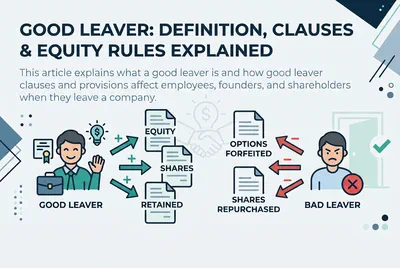
Good Leaver: Definition, Clauses & Equity Rules Explained
This article explains what a good leaver is and how good leaver clauses and provisions affect employees, founders, and shareholders when they leave a company.
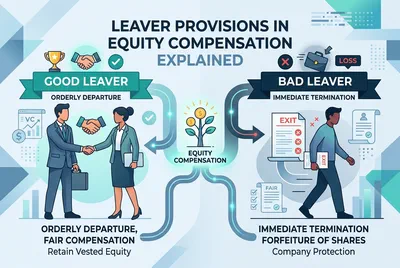
Leaver Provisions in Equity Compensation Explained
This guide explains what leaver provisions are, how good leaver and bad leaver clauses work, and how companies can design fair, legally robust equity rules that protect both the business and its employees.
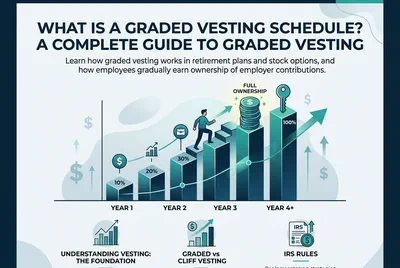
What Is a Graded Vesting Schedule? A Complete Guide to Graded Vesting
Learn how graded vesting works in retirement plans and stock options, how employees gradually earn ownership of employer contributions, and why vesting schedules are important for long-term financial planning and employee retention.
Ready to simplify your equity programs?
See how Incentrium helps you manage share-based compensation with ease. Book a demo to learn more.
Book a Demo