Front-Loaded Vesting and Equity

Equity compensation has become one of the most powerful tools companies use to attract, motivate, and retain top talent. Among the many vesting structures available, front loaded vesting stands out as a strategy that shifts the balance of equity distribution toward the earlier years of an employee’s tenure. Understanding how this model works, and when it makes sense to use it, can help both employers and employees make smarter decisions about equity compensation.
In this article, we’ll break down what front loaded vesting means, how it compares to other vesting schedules, its advantages and disadvantages, and best practices for implementing it effectively.
What Is Front Loaded Vesting?
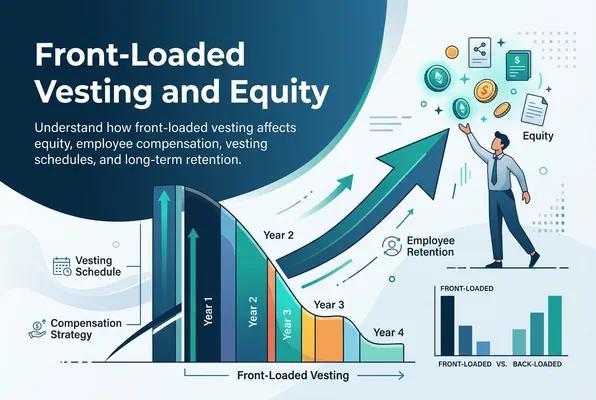
Front loaded vesting is a type of vesting schedule where a disproportionately large share of an employee’s equity grant, such as stock options or restricted stock units (RSUs), vests in the earlier years of the vesting period, rather than being spread evenly or backloaded toward the end.
For example, in a traditional four-year vesting schedule, an employee might vest 25% of their shares each year. Under a front loaded vesting structure, that same employee might vest 40% in year one, 30% in year two, 20% in year three, and only 10% in year four. The total equity granted stays the same, but the timing of ownership shifts significantly toward the beginning of the vesting timeline.
This approach is sometimes used in combination with a vesting cliff, where no equity vests until a specific milestone (commonly one year) is reached, after which a larger initial tranche vests immediately.
Why Companies Consider Front Loaded Vesting
Companies typically explore front loaded vesting schedules for a few strategic reasons:
- Competitive hiring markets: To win top candidates who might otherwise choose a competitor offering faster equity value realization.
- Executive compensation: Senior leaders and executives sometimes negotiate front loaded structures to align with shorter expected tenures or aggressive performance targets.
- Mergers and acquisitions: In M&A deals, front loaded vesting can be used to retain key employees from the acquired company by giving them quicker access to new equity grants.
- Startup risk mitigation: Employees joining early-stage startups may push for front loaded vesting to offset the higher risk of the company failing before the standard four-year vesting period concludes.
Front-Loaded Vesting as Part of a Broader Compensation Strategy
A front-loaded vesting schedule can be more than a standalone equity structure. It can also become part of a broader compensation strategy that combines salary, bonuses, and long-term equity to meet different employee and business needs. In tech compensation, for example, companies may use a front-loaded new hire grant to make an offer more competitive without relying entirely on a higher base salary or a large signing bonus. The value of an initial grant depends not only on the total number of shares awarded, but also on when those shares become vested. A front-loaded equity approach therefore changes the timing of compensation rather than necessarily increasing the total grant size. For companies competing for experienced talent, this can make an offer more attractive while allowing the employer to maintain a structured equity program design.
Front Loaded Vesting vs. Standard and Back Loaded Vesting
To fully understand the implications of front loaded vesting, it helps to compare it against the two other primary vesting models: standard (even) vesting and back loaded vesting.
Standard Vesting Schedule
The most common vesting arrangement is the four-year vesting schedule with a one-year cliff. Under this model:
- No shares vest during the first 12 months (the cliff).
- After the cliff, 25% of the total grant vests immediately.
- The remaining 75% vests in equal monthly or quarterly installments over the following three years.
This structure evenly distributes ownership and is designed to incentivize long-term retention throughout the entire vesting period.
Back Loaded Vesting
Back loaded vesting is the inverse of front loaded vesting. Here, a smaller percentage of equity vests in the early years, with the bulk of the grant vesting toward the end of the schedule. This model is less common because it can frustrate employees who feel they are shouldering risk without adequate reward until much later, but it can be effective for retaining employees through critical long-term milestones, such as an IPO or major product launch.
Front Loaded Vesting
As discussed, front loaded vesting flips the traditional model by allocating a greater share of equity earlier. This creates a different set of incentive dynamics: employees have less “unvested equity” hanging over them in later years, which can reduce the golden handcuff effect that standard vesting schedules rely on for retention.
| Vesting Type | Early Years | Later Years | Retention Incentive |
|---|---|---|---|
| Standard Vesting | Even distribution | Even distribution | Consistent throughout |
| Front Loaded Vesting | High percentage vests | Low percentage vests | Strongest early, weaker later |
| Back Loaded Vesting | Low percentage vests | High percentage vests | Weaker early, strongest later |
Advantages of Front Loaded Vesting
1. Faster Equity Realization for Employees
One of the biggest draws of front loaded vesting is that employees gain meaningful ownership sooner. This can be especially appealing in volatile industries or startups where the future is uncertain, and employees want to reduce their exposure to the risk of leaving equity on the table.
2. Stronger Recruitment Tool
In competitive talent markets, offering front loaded vesting can be a differentiator. Candidates evaluating multiple offers may favor a company that lets them realize equity value more quickly, particularly if they’re skeptical about long-term retention plans or company stability.
3. Reduced Risk for Employees in High-Risk Environments
Startups and early-stage companies carry inherent risk. Front loaded vesting acknowledges this risk by rewarding employees more heavily in the initial years, which can be a fair trade-off for taking a chance on an unproven company.
4. Useful in Acquisition Scenarios
When companies acquire other businesses, front loaded vesting can help retain critical talent from the acquired company during the sensitive integration period, when attrition risk is often highest.
Disadvantages of Front Loaded Vesting
1. Weaker Long-Term Retention Incentive
The primary criticism of front loaded vesting is that it reduces the incentive for employees to stay with the company long-term. Once the bulk of equity has vested, employees have less “skin in the game” tying them to the organization, which can increase turnover risk in later years.
2. Higher Upfront Cost and Dilution
From the company’s perspective, front loaded vesting means a larger portion of equity dilution happens earlier. This can complicate cap table management and make it harder to predict future equity needs for new hires or additional funding rounds.
3. Potential Perception Issues
If not communicated carefully, front loaded vesting schedules can create friction among employees who joined under different vesting terms. Ensuring transparency and fairness across the organization is critical to avoid resentment or perceived inequity.
4. Complexity in Administration
Compared to a simple even-vesting schedule, front loaded vesting requires more sophisticated equity management systems to track varying vesting percentages across tranches, cliffs, and individual agreements.
The Role of Refresh Grants in a New Vesting Schedule
A new vesting schedule can also be designed to work alongside refresher grants. Under a traditional 4-year or 4-year vesting schedule, employees may receive most of their original equity over several years, but the value of that grant eventually declines as fewer shares remain unvested. Companies can address this by providing additional equity awards during the employee’s tenure. These refresher grants can create a continuous stream of potential equity rather than relying solely on the original stock grant. For example, a company could use a front-loaded schedule for a new hire grant and then introduce additional grants in subsequent years. This approach can combine early financial value with continued incentives for employees who remain with the company. It also allows the company to adjust the size and timing of later grants based on performance, market conditions, and changing responsibilities.
Best Practices for Implementing Front Loaded Vesting
If your company is considering a front loaded vesting structure, keep these best practices in mind:
Define Clear Objectives
Before implementing front loaded vesting, clarify the specific business goal, whether it’s winning a competitive hire, retaining acquired talent, or mitigating startup risk. The structure should align directly with that objective.
Combine with Retention Mechanisms
To offset the reduced long-term retention incentive, consider layering in additional retention tools such as performance-based bonuses, refresh grants, or new equity issuances that vest later in an employee’s tenure.
Maintain Transparency
Employees should clearly understand how their vesting schedule works, including the percentage vesting each year and the rationale behind the front loaded structure. Transparent communication builds trust and reduces the risk of misunderstandings.
Use Reliable Equity Management Tools
Given the added complexity of tracking front loaded vesting schedules, especially across multiple employees with different start dates and grant sizes, investing in robust equity management software is essential. Automated tracking reduces administrative errors and ensures compliance with tax and reporting requirements.
Consider Legal and Tax Implications
Vesting schedules, including front loaded structures, can have significant tax consequences for both the company and the employee. Consult with legal and financial advisors to ensure the chosen structure complies with relevant securities laws and optimizes tax outcomes.
Market Data and Changing Equity Compensation Practices
The design of an equity vesting schedule is also influenced by changes in the broader compensation market. Companies increasingly use compensation data to compare salaries, equity awards, and total compensation across similar roles and organizations. Platforms such as levels.fyi can provide employees and employers with additional market information, while compensation practices at large public companies can influence expectations across the technology sector. Companies such as Oracle, Nvidia, and Airbnb are often discussed when comparing technology compensation and equity practices, although individual compensation programs can vary significantly by role and level. Stock price is another important factor because the perceived value of a stock-based compensation package can change substantially over time. As a result, a grant that appears highly competitive when an employee joins may have a very different value in later years. This makes regular market analysis important when companies evaluate their compensation strategy and determine whether their equity programs remain competitive.
Is Front Loaded Vesting Right for Your Company?
Front loaded vesting isn’t a one-size-fits-all solution. It works best in specific scenarios, competitive hiring situations, acquisition integrations, or high-risk startup environments, where accelerating equity ownership serves a clear strategic purpose. However, companies focused primarily on long-term retention may find that a standard or even back loaded vesting schedule better aligns incentives over time.
Ultimately, the decision should be based on a careful analysis of your company’s talent strategy, growth stage, and the behaviors you want to incentivize. A thoughtfully designed vesting schedule, front loaded or otherwise, can be a powerful lever for building a motivated, committed team while supporting broader business objectives.
Balancing Front-Loaded Equity with Long-Term Retention
Companies can also use front-loaded equity awards as one component of a longer-term retention strategy rather than treating them as a complete replacement for traditional vesting. A front-loaded new hire grant may provide meaningful equity during year 1 and the first two years, while additional grants can support retention in subsequent years. This can be particularly useful when companies want to reward employees early while still maintaining a reason to stay beyond the initial grant period. For example, a company could combine first-year equity with annual vesting on later refresher grants, creating multiple overlapping vesting timelines. This approach allows the original grant to provide early value while new grants continue to support long-term equity ownership. Instead of relying entirely on a single 4-year grant, companies can therefore use a combination of front-loading, refresh grants, and later equity awards to adapt compensation as employees progress through their careers. The result is a more flexible program design that can balance immediate rewards with the goal of attracting and retaining employees over time.
Final Thoughts
Front loaded vesting offers a compelling alternative to traditional vesting schedules by accelerating the pace at which employees gain ownership. While it can be a valuable tool for recruitment and risk mitigation, it comes with trade-offs around long-term retention and administrative complexity. Companies exploring this approach should weigh the pros and cons carefully, communicate transparently with employees, and leverage the right tools and expertise to implement the structure effectively.
By understanding the mechanics and strategic implications of front loaded vesting, both employers and employees can make more informed decisions about equity compensation that align with their goals.
FAQ
What is front loaded vesting?
How does front loaded vesting differ from standard vesting schedules?
Is front loaded vesting good for employees?
Can front loaded vesting be combined with a cliff period?
Written by
Dominik KonoldCEO & Founder
Dominik Konold is the CEO and founder of Finidy GmbH, specializing in share-based compensation and treasury accounting. With a background in audit and investment banking, he is a certified Professional Risk Manager (PRMIA) and lectures for the Association of Public Banks and the Academy of International Accounting.
Related Posts
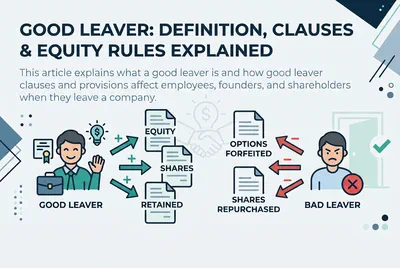
Good Leaver: Definition, Clauses & Equity Rules Explained
This article explains what a good leaver is and how good leaver clauses and provisions affect employees, founders, and shareholders when they leave a company.
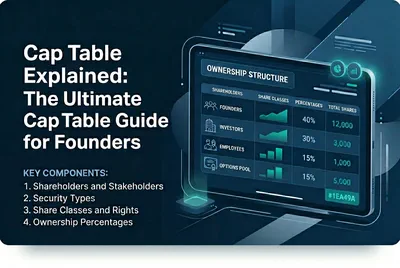
Cap Table Explained: The Ultimate Cap Table Guide for Founders
A cap table shows a startup’s ownership structure, including founders, employees, and investors, and explains how shares change through funding, dilution, and exits.
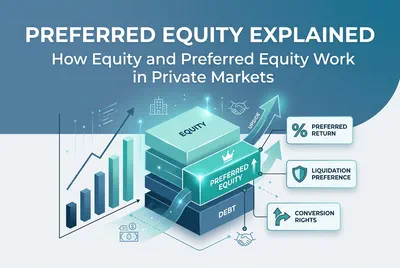
Preferred Equity Explained: How Equity and Preferred Equity Work in Private Markets
Learn how preferred equity works, its key features, return structures, and how it compares to common equity and debt in capital stacks.
Ready to simplify your equity programs?
See how Incentrium helps you manage share-based compensation with ease. Book a demo to learn more.
Book a Demo